
Everything you need to know before moving to solar energy. We have streamlined the answers on roof feasibility, financial returns, subsidies, and maintenance.
Yes, in most cases! Our engineers look for structural stability to hold the HDGI mounting frames, and ideally a South-facing orientation for maximum sunlight. East and West roofs are also viable. We always conduct a shadow analysis to ensure nearby trees or water tanks won't block the sun during peak hours (9 AM to 4 PM).
The golden rule is 100 square feet of shadow-free area for every 1 kilowatt (kWp). A standard 3kW residential system requires about 300 square feet. If your roof space is limited, we can use ultra-high-efficiency TOPCon panels to generate more power in a smaller footprint.
Since our Tier-1 solar panels last 25 to 30 years, you want your roof to outlast them. We highly advise fixing major leaks or severely rusted sheds before installation. If future repairs are needed, our team can safely dismantle and remount the panels.
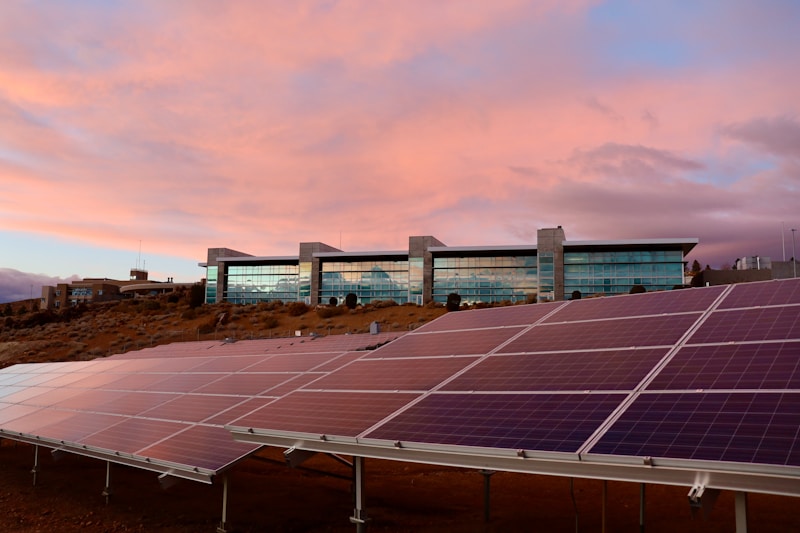
Free Site Survey: Nature Power Solar provides a complimentary physical roof assessment across Telangana to determine exact feasibility.
System sizing is based on your past electricity bills. Generally, 1 kW of solar generates about 120 units per month. If your family consumes 360 units monthly, a 3kW system will bring your bill to zero. We also factor in future loads, like buying an Electric Vehicle (EV) or adding ACs.
On-Grid (Most Popular): Connected directly to the DISCOM grid. Excess power is exported for bill credits. It is eligible for subsidies but shuts down during grid power cuts for safety.
Hybrid: Uses a battery bank alongside the grid. It keeps your house powered during electricity outages, making it perfect for areas with frequent power cuts.
We strictly recommend Monocrystalline (Mono-PERC / TOPCon) panels. They are sleek, black, highly efficient (20-22%+), and perform exceptionally well in Telangana's high summer heat. Polycrystalline (blue) panels are cheaper but require much more space and are better suited for agricultural pumps.
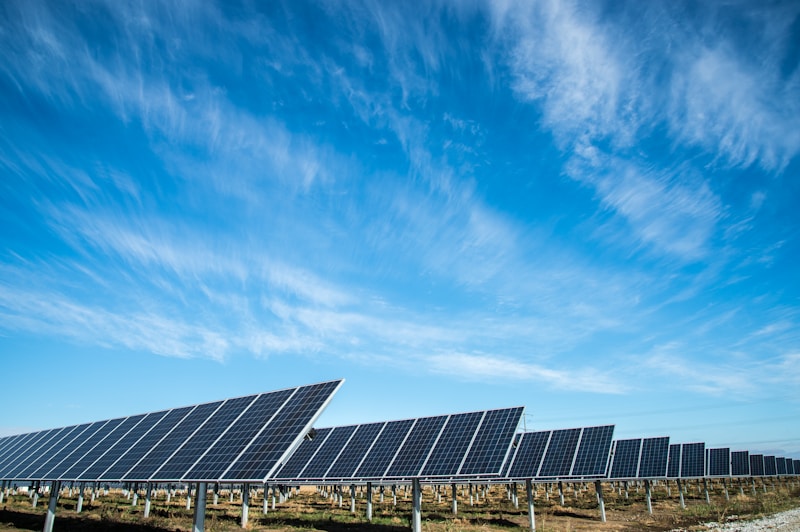
Under the PM Surya Ghar Muft Bijli Yojana, homeowners can claim massive central subsidies. You receive ₹30,000 per kW up to 2kW, and a maximum fixed subsidy of ₹78,000 for 3kW systems and above. Note: Only DCR (Made-in-India) modules are eligible.
Applying for subsidies and Net Metering with the DISCOM (TGNPDCL/TSSPDCL) can be a headache. Nature Power Solar acts as your authorized facilitator. We manage everything:
We register you on the National Portal.
We secure net-metering feasibility.
We install and coordinate meter changes.
Subsidy drops directly into your bank account.
Yes. The government has mandated top banks to provide low-interest loans (approx. 7% repo-linked) specifically for rooftop solar. Loans typically cover 70% to 80% of the project cost. We prepare your Detailed Project Report (DPR) to ensure fast loan disbursement.
Stop guessing. Use our interactive tool to calculate your required system size, estimated costs, and exact annual savings.
Because solar systems have no moving parts, maintenance is incredibly easy. Just wash the panels with plain water using a soft hose or wiper every 15 to 20 days to remove dust. Heavy dust accumulation can drop efficiency by 10-15%.
Tier-1 Solar Panels come with a massive 25-Year Performance Warranty. The smart string inverters carry a 5 to 10-year replacement warranty, and the HDGI mounting structure is rust-proof, designed to last decades.
Every modern inverter we install comes equipped with a Wi-Fi Data Logger. We set up an app on your smartphone so you can monitor live power generation, track monthly yields, and spot any system errors instantly from anywhere in the world.
Our expert engineers are available to provide a free site survey and answer any questions about your unique property.
Talk to a Solar Expert